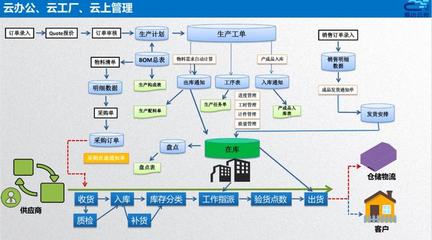
Optimizing Logistics and Supply Chain Management: A Dual Strategy for Cost Reduction and Service Enhancement
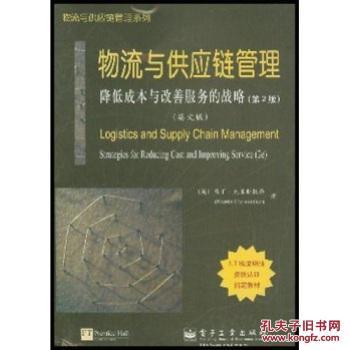
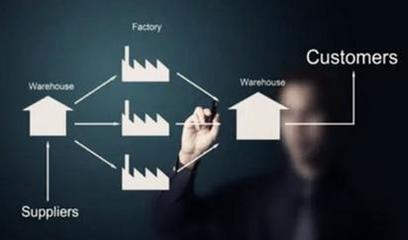
In today's fiercely competitive global market, effective logistics and supply chain management is no longer a mere operational necessity but a core strategic differentiator. The dual imperatives of reducing costs and improving customer service, far from being mutually exclusive, are increasingly recognized as complementary goals that drive sustainable business success. This strategic approach, as explored in depth in works like Logistics and Supply Chain Management: Strategies for Reducing Costs and Improving Services, hinges on the seamless integration of processes, technology, and partnerships.
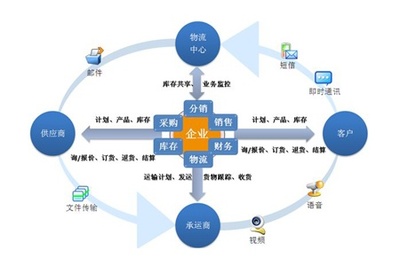
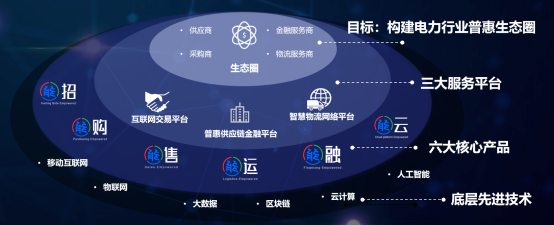
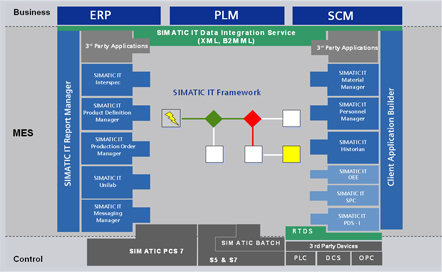
The foundation of this dual strategy lies in achieving end-to-end visibility. By leveraging technologies such as the Internet of Things (IoT), advanced analytics, and integrated software platforms, companies can gain real-time insights into inventory levels, shipment locations, and production status. This transparency enables proactive problem-solving, reduces the need for costly safety stock, and minimizes disruptions. For instance, predictive analytics can forecast demand more accurately, allowing for optimized inventory planning that simultaneously cuts holding costs and prevents stock-outs, thereby enhancing service reliability.
A critical lever for cost reduction is the strategic optimization of the transportation network. This involves modal shifts (e.g., from air to rail or sea for non-urgent goods), route consolidation, and load optimization. Collaborative logistics, where multiple shippers share transportation assets, can dramatically reduce empty miles and fuel expenses. Concurrently, these efficiency gains must not come at the expense of speed or flexibility. Implementing agile and responsive last-mile delivery solutions, such as local micro-fulfillment centers or dynamic routing software, directly improves the customer service experience by offering faster, more reliable, and often more customizable delivery options.
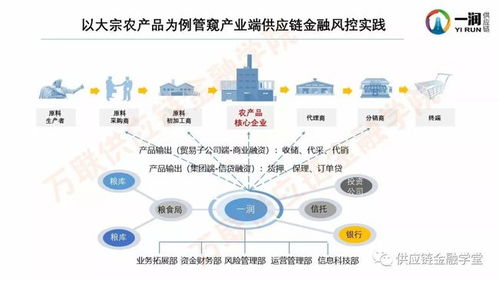
Supplier and partner relationship management forms another strategic pillar. Moving from transactional interactions to strategic collaborations fosters innovation and shared risk. Practices like Vendor-Managed Inventory (VMI) or collaborative planning, forecasting, and replenishment (CPFR) shift the focus from short-term price negotiations to long-term value creation. A trusted supplier can help design cost out of the product early in its lifecycle and ensure more consistent quality and timely deliveries, which inherently improves service levels. Furthermore, a resilient and diversified supplier base mitigates risks that could lead to costly disruptions and service failures.
Ultimately, the strategic integration of logistics and supply chain functions is paramount. Siloed departments pursuing isolated cost-saving targets often create inefficiencies elsewhere in the chain that degrade overall service. A holistic view aligns the objectives of procurement, manufacturing, logistics, and sales. Investing in employee training and fostering a culture of continuous improvement (embodying principles from Lean and Six Sigma) ensures that cost-reduction initiatives are intelligent and sustainable, directly contributing to process reliability and, hence, superior service. In conclusion, the modern paradigm of supply chain management demonstrates that through strategic integration, technological empowerment, and collaborative partnerships, organizations can successfully navigate the path of doing more for the customer while spending less, securing a powerful and durable competitive advantage.
如若转载,请注明出处:http://www.jl-eship.com/product/79.html
更新时间:2026-10-15 10:37:36